
Why Use Tinned Copper Wire? Because it offers superior durability, conductivity, and long-term reliability compared to regular copper. Electricians, marine engineers, and solar technicians often prefer tinned copper wire — and it’s not just for its silvery appearance. The secret lies in its design: a pure copper wire coated with a thin layer of tin, creating a material that resists corrosion, moisture, and heat while maintaining excellent electrical performance.
Unlike regular copper, which can oxidize and lose efficiency over time, tinned copper wire stands strong against moisture, heat, and corrosion. This makes it a top choice for industries that rely on steady performance — from marine and automotive wiring to renewable energy systems. That thin, silvery coating of tin doesn’t just add shine; it acts as a protective shield, extending the lifespan of the copper core while maintaining its excellent electrical conductivity.
In today’s world, where electrical reliability is critical, choosing the right wire material can make or break a system’s performance. Whether you’re setting up a solar panel array, wiring a boat or RV, or building an industrial control system, tinned copper wire ensures that your connections stay strong, stable, and safe — even in humid or saltwater conditions.
So, why should you care about this special wire? Because tinned copper wire isn’t just about power transmission — it’s about long-term protection, cost efficiency, and safety. The combination of copper’s conductivity and tin’s resistance properties gives you the best of both worlds.
In this guide, we’ll dive deeper into:
- What tinned copper wire really is and how it’s made.
- The key benefits that make it superior to bare copper wire.
- Real-world applications across industries like marine, solar, and industrial systems.
- Expert advice on when and how to choose the right type for your needs.
So, if you’ve ever asked yourself, “Why use tinned copper wire?” — stay with us. You’re about to discover why this small upgrade can make a big difference in performance, safety, and longevity.
What Is Tinned Copper Wire?
Ever looked at wiring with a shiny silver finish and wondered what makes it different?
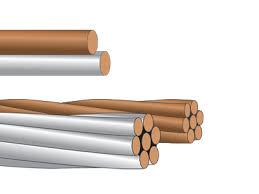
That’s tinned copper wire — a pure copper conductor coated with a thin layer of tin. This simple yet powerful coating protects the copper core from oxidation, rust, and corrosion, giving it exceptional durability in humid or outdoor environments.
The tin layer doesn’t reduce copper’s natural conductivity. Instead, it strengthens it by preventing oxidation that can degrade bare copper over time. Because of this, tinned copper wire is highly trusted in marine, solar, automotive, and industrial applications where moisture, salt, and heat are constant challenges.
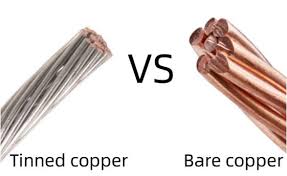
Visually, you can recognize it instantly — it has a bright, silvery color, unlike the reddish tone of bare copper. But the real value lies in performance: tinned copper lasts longer, soldering more easily, and delivers stable electrical efficiency, even after years of use.
⚙️ Why Tin the Copper?
- Corrosion Protection: Tin acts as a shield, blocking moisture and preventing oxidation.
- Longer Service Life: Extends wire lifespan in marine, solar, and outdoor systems.
- Better Soldering: The tin layer makes it easier to create strong, clean solder joints.
- Consistent Conductivity: Ensures steady current flow without resistance build-up.
- Low Maintenance: Reduces the need for frequent inspections or replacements.
These qualities make it the preferred choice for boat wiring, solar installations, RV systems, and industrial control panels — any setup where failure simply isn’t an option.
Tinned Copper vs. Bare Copper Wire comparison rewritten line by line for clarity:
- Appearance: Tinned Copper Wire – Silvery finish | Bare Copper Wire – Reddish-brown
- Corrosion Resistance: Tinned Copper Wire – Excellent, resists salt, moisture & oxidation | Bare Copper Wire – Poor, oxidizes easily
- Electrical Conductivity: Tinned Copper Wire – Excellent | Bare Copper Wire – Excellent
- Durability: Tinned Copper Wire – Long-lasting, ideal for harsh conditions | Bare Copper Wire – Shorter lifespan in moist environments
- Ease of Soldering: Tinned Copper Wire – Easier to solder | Bare Copper Wire – Requires extra cleaning
- Maintenance Requirement: Tinned Copper Wire – Low | Bare Copper Wire – High
- Best For: Tinned Copper Wire – Marine, solar, outdoor, automotive wiring | Bare Copper Wire – Indoor and dry installations
Key Benefits of Using Tinned Copper Wire
When it comes to choosing the right electrical wire, professionals know that quality and durability go hand in hand. That’s where tinned copper wire stands out. Unlike bare copper, it’s engineered to handle the toughest environments while maintaining consistent performance for years. Below are the key benefits that make it a smart investment for any project.
1. Corrosion Resistance — Built to Last in Tough Conditions
One of the biggest advantages of tinned copper wire is its exceptional corrosion resistance. The thin tin coating protects the copper core from oxidation and rust, even when exposed to humid, salty, or wet environments.
That’s why it’s a go-to option for marine wiring, solar power systems, and RV installations—places where bare copper would quickly degrade.
💡 Real-world example: “Boats, RVs, and solar installations rely on tinned copper because they can’t afford sudden wiring failures in the middle of a journey or storm.”
2. Longer Lifespan — More Value Over Time
With the added tin layer, tinned copper wires experience significantly less wear and tear. This extends their operational life, saving users from frequent replacements.
In outdoor and marine setups where maintenance access is difficult, that extra lifespan makes a big difference—both in performance and peace of mind.
3. Better Soldering — Easier, Cleaner, and Stronger Joints
Electricians love working with tinned copper wire because it’s easier to solder. The tin coating naturally improves solder adhesion, resulting in faster, cleaner, and stronger electrical joints.
This means reduced installation time, fewer connection issues, and better long-term reliability for every system you build.
4. Reliable Conductivity — Consistent Power Flow
Over time, bare copper can lose its effectiveness as oxidation builds up on its surface.
Tinned copper, however, maintains stable electrical conductivity because the tin layer prevents corrosion from interrupting the current flow. Whether it’s a control panel, power system, or marine navigation setup, this wire guarantees consistent energy transfer without performance drops.
5. Cost Efficiency — Pay a Little More, Save a Lot Later
While tinned copper wire costs slightly more upfront, its longevity and low maintenance translate into real savings over time. You’ll spend less on repairs, replacements, and labor, making it a cost-effective solution in the long run.
Think of it as an investment in reliability — a wire that not only performs well today but also stays dependable for years.
In short, tinned copper wire combines performance, protection, and practicality. It’s not just about conducting electricity — it’s about ensuring that your wiring system stays safe, efficient, and trouble-free for the long haul.
Whether you’re powering a boat, RV, solar array, or industrial system, this wire gives you the confidence that your setup will stand up to time, weather, and wear.
Common Applications of Tinned Copper Wire
Common Applications of Tinned Copper Wire
When it comes to reliable, long-lasting wiring, tinned copper wire has become a favorite across a wide range of industries and applications. Its combination of corrosion resistance, durability, and stable conductivity makes it ideal for situations where traditional bare copper might fail. Let’s explore the most common uses:
1. Marine & Boating
Saltwater and high humidity are harsh on standard copper wiring, often causing rapid corrosion and failure. Tinned copper wire is designed to withstand these conditions. Its tin coating protects the copper core from oxidation and corrosion, making it the perfect choice for boats, yachts, and offshore equipment. Wiring systems built with tinned copper remain reliable even in continuous exposure to saltwater and harsh weather conditions.
2. Solar Power Systems
Outdoor solar installations are exposed to sun, rain, and temperature fluctuations. Using tinned copper wire ensures that the wiring remains efficient and corrosion-free over the life of the system. Its stability and durability make it ideal for connecting solar panels, inverters, and battery systems, providing consistent energy transfer in all environmental conditions.
3. Automotive & Aerospace Applications
Vehicles and aircraft operate in high-vibration environments with fluctuating temperatures. Tinned copper wire resists corrosion from moisture, chemicals, and heat, ensuring safety and long-term durability. From engine compartments to onboard electronics, this wire provides reliable connections where failure is simply not an option.
4. Industrial Wiring
Industrial setups often involve control panels, power distribution, and heavy machinery, which require wiring that can withstand high loads and environmental stress. Tinned copper wire delivers consistent conductivity and corrosion resistance, making it suitable for factories, manufacturing plants, and industrial control systems. Its durability reduces maintenance and downtime, keeping operations running smoothly.
5. Residential & Home Use
Even in homes, especially those near coastal or humid areas, wiring is susceptible to moisture damage. Using tinned copper wire in household systems ensures a longer lifespan, reduced corrosion, and stable performance in electrical circuits. Whether it’s for outdoor lighting, home solar setups, or high-humidity rooms, tinned copper provides extra peace of mind.
Why Tinned Copper Wire Is the Go-To Choice
The versatility of tinned copper wire is unmatched. Its protective tin coating allows it to perform reliably in marine, solar, automotive, industrial, and home applications. Whether your project involves exposure to moisture, heat, vibration, or outdoor conditions, tinned copper maintains its integrity, preventing failures that can result from corrosion or oxidation.
Tinned vs. Bare Copper: Which One Should You Choose?
Tinned vs. Bare Copper: Which One Should You Choose?
When it comes to electrical wiring, not all copper wires are created equal. The choice between tinned copper and bare copper can make a significant difference in performance, durability, and long-term costs. Let’s break down the key differences and see which one suits your project best.
1. Electrical Conductivity
Both tinned and bare copper are excellent conductors of electricity. Copper’s natural conductivity is nearly unmatched, making both types capable of efficiently carrying current.
- Bare Copper: Offers slightly higher conductivity because there’s no coating to introduce minimal resistance. Ideal for indoor or dry conditions where oxidation is not a concern.
- Tinned Copper: While coated with tin, its conductivity remains almost identical to bare copper. The difference is negligible for most practical applications. In fact, the tin coating can sometimes improve long-term conductivity by preventing oxidation, which would otherwise reduce performance over time.
✅ Verdict: If your application is exposed to harsh conditions like moisture or salt, tinned copper maintains more reliable conductivity over the wire’s lifespan.
2. Longevity and Durability
Longevity is where tinned copper wire truly shines.
- Bare Copper: While durable in indoor environments, bare copper oxidizes when exposed to air or moisture. Oxidation forms a dark layer that increases resistance and reduces performance. Frequent replacements or maintenance might be needed in humid, marine, or industrial settings.
- Tinned Copper: The tin coating forms a protective barrier that prevents corrosion and oxidation. This makes tinned copper ideal for marine, solar, automotive, and industrial applications. In these environments, it can last up to 10 times longer than bare copper, reducing downtime and maintenance costs.
💡 Example: Boats, outdoor solar systems, and coastal homes prefer tinned copper because wiring failure in these settings could be costly or dangerous.
3. Cost Comparison
Cost is often a deciding factor for many projects.
- Bare Copper: Slightly cheaper upfront. Suitable for indoor wiring where environmental exposure is minimal.
- Tinned Copper: Higher initial cost due to the tin coating process. However, when you factor in reduced maintenance, fewer replacements, and longer lifespan, it becomes more cost-effective over time.
Think of tinned copper as an investment: pay a little more now and save much more later in maintenance, replacements, and unexpected downtime.
4. Soldering and Workability
Another practical difference is ease of soldering:
- Bare copper can oxidize quickly, requiring extra preparation for a clean solder joint.
- Tinned copper naturally bonds with solder, making installation faster and more reliable. For professionals, this reduces installation time and ensures strong, maintenance-free connections.
5. Real-World Applications
Bare Copper: Best for dry, indoor applications like residential wiring, low-humidity offices, or dry industrial areas.
Tinned Copper: Ideal for demanding conditions such as:
- Marine wiring on boats and ships
- Outdoor solar and renewable energy systems
- Automotive wiring in humid or high-vibration environments
- Industrial control panels and heavy-duty electrical systems
Conclusion: Which One Should You Choose?
While bare copper works well for simple, indoor projects, tinned copper is the superior choice for harsh or exposed environments. Its corrosion resistance, longevity, and easier soldering make it an investment in reliability and safety.
Tinned copper wire delivers durability, safety, and peace of mind. With its corrosion resistance, long lifespan, stable conductivity, and easy soldering, it outperforms bare copper in harsh environments like marine, solar, automotive, industrial, and coastal residential setups. Choosing tinned copper means fewer maintenance issues, reduced replacements, and reliable performance over time.
For any project exposed to moisture, salt, or high temperatures, investing in premium-quality tinned copper wire ensures safety, efficiency, and longevity. Verified and certified wire provides consistent results, protecting your systems and minimizing unexpected costs.
CTA: Ready to upgrade your wiring? Visit SASU ScrapLoc.com
to buy tinned copper wire, check out tinned copper wire for sale, and see why we are considered the best tinned copper wire supplier. With top-quality materials and competitive prices, SASU ScrapLoc ensures your wiring projects are durable, safe, and worry-free.
Choose tinned copper wire — the reliable solution for long-lasting performance.