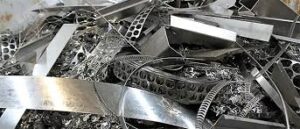
Have you ever come across old stainless steel items in your home, workshop, or factory and wondered if they were just trash? If so, it’s time to rethink their worth. Scrap stainless steel is far more valuable than many people realize. It’s not simply discarded metal—it’s a highly recyclable resource with significant industrial, economic, and environmental importance.
So, What is Scrap Stainless Steel and Why is it Valuable? Scrap stainless steel includes items that are no longer in use or leftover from manufacturing processes. Common sources include kitchen sinks, cutlery, cookware, appliances, industrial machinery, pipes, and structural components. Its inherent properties—strength, durability, and corrosion resistance—make it an ideal candidate for recycling and reuse.
The value of scrap stainless steel isn’t limited to money. Recycling reduces the need for mining raw materials, saves energy, and lowers greenhouse gas emissions, making it an eco-friendly solution for businesses and individuals alike. With global industries focusing more on sustainability, the demand for stainless steel scrap continues to grow.
By understanding what scrap stainless steel is and why it’s valuable, you can turn unused items into a profitable resource. Proper identification, sorting, and selling help maximize returns while contributing to a greener planet.
Whether you’re decluttering your kitchen, managing industrial waste, or collecting leftover metal, scrap stainless steel represents both financial opportunity and environmental responsibility. From everyday household items to large-scale industrial leftovers, recognizing its worth is the first step toward making smart, sustainable choices.
What is Scrap Stainless Steel?
Scrap stainless steel refers to stainless steel items that are no longer in use, discarded, or leftover from manufacturing processes. Unlike other metals, stainless steel maintains its strength, durability, and corrosion resistance, even after multiple recycling cycles.
Common Sources of Scrap Stainless Steel
- Kitchen Utensils and Appliances: Sinks, cutlery, cookware, trays, and utensils that are damaged, outdated, or replaced.
- Industrial Machinery: Pipes, tanks, valves, bolts, and structural components from factories, plants, and workshops.
- Construction Materials: Stainless steel beams, roofing sheets, handrails, and fittings from both new projects and renovation work.
- Leftover Manufacturing Material: Off-cuts, rejects, and excess stainless steel from production processes.
Properties That Make Stainless Steel Valuable for Recycling
- Corrosion Resistance: Stainless steel resists rust and oxidation, which ensures that scrap pieces retain quality over time.
- Strength and Durability: Even when recycled, its mechanical properties remain intact, making it ideal for industrial and household reuse.
- Long Lifespan: Stainless steel can last decades without significant degradation, which ensures that recycled pieces remain valuable.
Whether it’s an old kitchen sink or a scrap pipe from a factory, stainless steel retains both structural integrity and commercial value, making it one of the most sought-after metals in recycling industries.
Why Scrap Stainless Steel is Valuable
Scrap stainless steel is not just leftover metal—it’s a highly valuable resource. Its worth comes from both economic and environmental perspectives. Here are the main reasons why scrap stainless steel is so valuable:
1. High Recyclability
One of the most remarkable traits of stainless steel is that it can be recycled indefinitely without losing quality. Unlike some metals that degrade after several recycling cycles, stainless steel retains its properties. This means scrap stainless steel can be melted down and reused to produce new products, significantly reducing the need for raw material mining and energy-intensive steel production.
2. Economic Value
Scrap stainless steel has tangible financial worth. Selling scrap metal can generate cash for homeowners, businesses, and industries. Prices vary depending on grade, quantity, and market demand, but high-quality stainless steel scrap, such as grades 304 and 316, can fetch excellent returns. For many small business owners or households, selling scrap stainless steel is an easy way to make money from unused items.
3. Environmental Impact
Recycling stainless steel is an eco-friendly solution. It reduces landfill waste, conserves energy, and lowers carbon emissions compared to producing steel from raw ore. Every ton of recycled stainless steel saves a significant amount of energy and reduces greenhouse gas emissions, making it a sustainable choice for both the environment and industry.
4. Industrial Demand
Stainless steel is widely used in various sectors:
- Construction: Handrails, roofing, structural beams.
- Automotive: Exhaust systems, engine components.
- Aerospace: Aircraft parts.
- Manufacturing: Machinery, tools, and production equipment.
This constant demand ensures that scrap stainless steel remains highly marketable. Industrial buyers rely on recycled stainless steel as a cost-effective raw material, making it a steady source of revenue.
5. Durability and Quality
Even after recycling, stainless steel retains its strength, corrosion resistance, and aesthetic appeal, making it a reliable choice for new products. Its durability ensures that recycled material is of premium quality, which is why industries prefer it over some lower-grade metals.
In summary, scrap stainless steel is a high-demand, eco-friendly, and economically rewarding metal. Its advantages over other recyclable metals make it a smart choice for recycling, resale, and industrial use.
How to Identify and Sort Scrap Stainless Steel
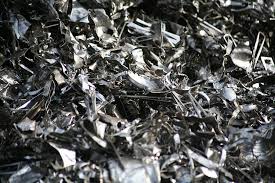
Scrap stainless steel is one of the most valuable recyclable metals available today, but to get the best price and maximize its value, proper identification and sorting are critical. Whether you’re a homeowner clearing out old appliances or a business handling industrial metal waste, knowing how to categorize your stainless steel scrap can make a significant difference in profitability.
Here’s a step-by-step guide to help you identify and sort stainless steel scrap effectively:
Step 1: Identify the Stainless Steel Grade
One of the first steps in determining the value of your scrap is identifying the stainless steel grade. Different grades have different properties, durability, and resale value.
- Look for Stamps or Markings: Many stainless steel items are stamped with their grade, such as 304, 316, or 430. These markings are usually on the back, bottom, or inner surfaces of the item.
- Common Household Grades: Grade 304 is widely used in kitchen sinks, cutlery, and cookware. It is versatile and corrosion-resistant, making it highly recyclable.
- Premium Industrial Grades: Grade 316 is more corrosion-resistant than 304 and is often found in marine applications, high-end appliances, or chemical processing equipment. It’s more valuable due to its durability.
- Lower-Grade Stainless Steel: Grades like 430 are magnetic and commonly used in home appliances, offering moderate resale value.
Step 2: Separate Stainless Steel from Other Metals
Another important factor is ensuring your stainless steel is not mixed with other metals. Mixed metals can decrease resale value and make the recycling process more complex.
- Common Metals to Separate: Aluminum, copper, iron, brass, and other ferrous or non-ferrous metals should be separated.
- Why Separation Matters: Scrap yards price metals differently based on type and purity. Keeping your stainless steel free from contamination ensures maximum payment.
- Magnet Test: Stainless steel grades 304 and 316 are generally non-magnetic, whereas 430 is magnetic. Using a magnet can help quickly separate stainless steel from other metals.
Quick Tip: Even small amounts of other metals can reduce the price you receive, so it’s worth taking the time to sort meticulously.
Step 3: Clean and Remove Non-Metal Components
Cleaning your stainless steel scrap and removing non-metal parts can significantly increase its resale value.
Remove Attachments: Take off any plastic, wood, rubber, or electronic components attached to the metal.
- Clean Surfaces: Wipe down oils, grease, dirt, or paint. While minor residue is often accepted, cleaner scrap typically receives higher offers.
- Safety First: When cleaning industrial scrap, wear gloves and protective gear to prevent cuts or exposure to chemicals.
Pro Tip: Simple cleaning, like rinsing kitchen sinks or wiping industrial parts, can increase scrap value by 10–20% or more, depending on the buyer.
Step 4: Categorize by Form and Type
After cleaning and separating your scrap, organizing it by form and type helps scrap yards process it more efficiently, which can also improve the price.
- Sheet Metal: This includes roofing sheets, wall panels, decorative metal sheets, and flat industrial panels.
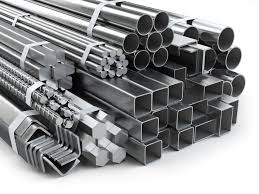
- Industrial Parts: Pipes, bolts, machinery components, valves, and structural elements.
- Household Items: Sinks, cutlery, kitchen utensils, cookware, and appliances.
- Off-Cuts and Leftovers: Manufacturing leftovers such as stainless steel strips, rods, or small pieces from factories.
Quick Tip: Scrap yards often pay based on both weight and type, so sorting into these categories can maximize your returns. For example, a batch of stainless steel piping may earn more per kilogram than mixed household scrap.
5. Where to Sell or Recycle Scrap Stainless Steel
Once you’ve identified, cleaned, and sorted your stainless steel scrap, the next step is to sell or recycle it responsibly. There are multiple options depending on the volume, grade, and type of scrap you have:
1. Local Scrap Yards
Most cities and towns have scrap metal yards that buy stainless steel by weight and grade.
Advantages: Easy access, quick payments, and familiar buyers.
Tips: Call ahead to check current market prices and confirm they accept the specific stainless steel grades you have.
2. Recycling Centers
Recycling centers accept various metals for processing and ensure they are properly melted down and reused in manufacturing.
Advantages: Environmentally responsible and often offers competitive prices.
Tips: Some centers specialize in high-grade stainless steel like 304 and 316, so it’s worth finding a specialized center for premium pricing.
3. Industrial Buyers
Factories, construction companies, or large-scale buyers often purchase large volumes of scrap stainless steel.
Advantages: Bulk buyers typically pay premium rates for consistent quality and quantity.
Tips: Maintain documentation of the type, grade, and weight for smooth transactions and better pricing.
Tips for Maximizing Your Profit
- Verify Buyer Credibility: Ensure the buyer is reputable to avoid scams or underpayment.
- Check Current Market Rates: Scrap metal prices fluctuate; selling at peak market value increases returns.
- Weigh Accurately: Use certified scales to avoid disputes and ensure fair payment.
- Bundle Similar Grades: Selling uniform batches of the same grade is more profitable than mixing different grades.
Tips to Increase the Value of Your Scrap Stainless Steel
To get the best price for your stainless steel scrap, consider the following tips:
- Collect in Bulk: Selling larger quantities often results in higher per-unit prices.
- Keep It Clean: Remove oils, paints, and other contaminants.
- Sort by Grade: Premium grades like 304 and 316 are more valuable.
Stay Updated on Market Rates: Scrap metal prices fluctuate. Selling at the right time ensures better returns.
Additionally, consider working with trusted buyers and maintaining a record of your scrap sales to track profitability.
Common Uses of Recycled Stainless Steel
Recycled stainless steel is highly versatile and used in multiple industries:
- Construction: Roofing, railings, cladding, and interior design elements.
- Automotive: Engine parts, exhaust systems, and frames.
- Aerospace: Aircraft components requiring strength and corrosion resistance.
- Manufacturing: Machinery, tools, kitchenware, and packaging materials.
By recycling scrap stainless steel, you are not only earning money but also contributing to new products and sustainable manufacturing processes.
FAQs
Q1: Can stainless steel be recycled indefinitely?
Yes! Stainless steel retains its quality through multiple recycling cycles, making it an endlessly reusable metal.
Q2: How can I identify high-quality stainless steel scrap?
Look for grades stamped on the item, check corrosion resistance, and avoid contaminated or mixed-metal pieces.
Q3: Is selling scrap stainless steel profitable?
Absolutely. Depending on grade and quantity, scrap stainless steel can generate significant income for households and industries alike.
Q4: Can small quantities from home be sold?
Yes. Even kitchen sinks, cutlery, or small appliances have value when sold to reputable scrap yards.
Q5: How does recycling stainless steel help the environment?
It reduces landfill waste, conserves energy, and lowers carbon emissions, supporting a sustainable manufacturing ecosystem.
Scrap stainless steel is much more than discarded metal. It’s a profitable, sustainable, and high-demand resource that benefits homeowners, industries, and the planet. By properly identifying, sorting, and selling, you can unlock substantial financial and environmental benefits.
Next time you see an old sink, cutlery set, or industrial pipe, remember that it could be worth more than you imagine. By recycling or selling your scrap stainless steel, you’re contributing to a greener world while earning a solid return.
Have you sold scrap stainless steel before? Share your experiences, tips, and questions in the comments below — inspire others to make the most of their unused metal!