
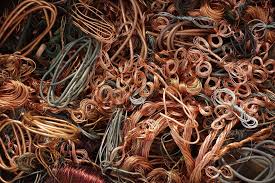
Did you know that the old wires or pipes lying around your garage could be worth real money?
If you’ve ever stumbled across a coil of copper wire, some plumbing off-cuts, or an old motor with windings, you might be sitting on more than just clutter — you might be holding a piece of recyclable treasure: scrap copper.
Copper is used everywhere — in construction and plumbing, in electronics and motors, in renewable energy infrastructure. And as global demand rises, people are increasingly turning to metal recycling — not just for the environment, but to make some extra income.
In this blog, we’ll cover what scrap copper is, the key types you’ll encounter, why it’s valuable, how to identify and sell it — and how you might turn old copper into green cash.
What Is Scrap Copper?
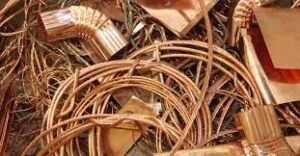
At its simplest, scrap copper is leftover or discarded copper material — things like old electrical wires, copper plumbing pipes, motors’ windings, bus bars, or even copper sheets or flashing from roofs. It is copper that has served its original purpose and is now being collected for recycling.
Common types of scrap copper:
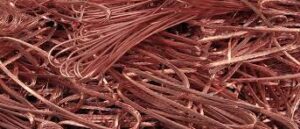
- Bare Bright Copper: This is the highest grade. Clean, stripped copper wire or cable with no insulation, paint, or solder attachments. According to one guide, “clean, shiny, uncoated and unalloyed copper wire … the purest and highest-grade copper scrap.”
- No. 1 Copper (#1 Copper): Nearly as good as Bare Bright but may have minor imperfections (minor oxidation, small solder or paint trace). For example, clean copper tubing or bus bars without too much contamination.
- No. 2 Copper (#2 Copper): More visible imperfections — oxidation, coatings, solder, paints, or other attachments, but still useful copper. This includes used plumbing with fittings, tarnished copper wire, and older cable.
- Insulated Copper Wire: Copper wire that still has insulation around it. The value depends a lot on the copper content vs insulation. Thick insulation or poor copper content reduces value.
Why purity and cleanliness matter
The cleaner the copper (less contamination, no insulation, minimal solder/fittings), the higher the resale price. Scrap yards and recyclers pay premium rates for materials that require less processing. As one guide puts it: “Clean, uncoated copper can be worth over three times more than dirty or mixed material.” recycling center
So if you’ve got copper off-cuts lying around, the key to maximizing value is to sort them and clean them as best you can — remove non-copper metal attachments, separate insulation, keep the copper dry and straight.
Why Is Scrap Copper So Valuable?
There are several reasons copper scrap commands a strong value in the recycling market. Let’s walk through the main ones.
High demand
Copper is an essential industrial metal with a wide range of uses:
Construction (wiring, plumbing, roofing)
Electronics (circuit boards, wiring, motors)
Renewable energy and infrastructure (wind turbines, solar installations, EVs)
As infrastructure builds out globally (especially in developing countries and in green energy transitions), demand for copper is rising.
For example, one article highlights that even lower-grade copper scrap remains “valuable” because “recyclers can reuse it rather than mine new copper.”
Easy to recycle
Unlike some materials that degrade in quality when recycled, copper retains its properties through recycling — it can be reused again and again without major loss of conductivity or strength. That means less energy is needed compared to mining and refining new copper. Recycling copper uses significantly less energy (as many sources note) and helps reduce mining waste and environmental costs.
Price flexibility and market strength
Scrap copper prices are influenced by global metal markets, supply/demand dynamics, regional differences, and the grade/purity of the material. For instance:
- A 2025 guide shows Bare Bright copper can fetch between US $3.50–$4.00 per pound, with #1 copper around $2.80-$3.30/lb, and insulated wire much lower.
- Another source shows copper scrap prices between US$2.40 and 3.70 per pound for various grades.
Because prices change regularly, much of the value in scrap copper lies in knowing the grades, being ready to sell when markets are favorable, and delivering clean material.
Environmental benefits
Beyond money, recycling scrap copper has major environmental upsides:
- Saves energy compared to mining virgin copper.
- Reduces the need for destructive mining practices, lowers greenhouse gas emissions, and means less waste material.
- Keeps copper in circulation — turning what would be waste into a resource.
In short, scrap copper isn’t just “junk metal” — it’s a high-value recyclable commodity with real economic and environmental impact.
How to Identify and Sell Scrap Copper
Got copper scrap and want to sell it smartly? Here’s a quick guide on how to identify types, prepare your material, and find trusted outlets.
Identifying the types
Color & shine: Bare bright copper is bright reddish-gold, clean, no insulation, no paint or solder marks. If you see wires stripped of insulation and bundled neatly, likely bare and bright.
Magnetism: Copper is non-magnetic. If a magnet sticks, you may have steel, iron, or copper-clad steel, which drastically reduces value.
Weight & feel: Copper is quite dense; heavy for its size compared to many plastics or aluminum. Clean copper tubing/pipes/stripped wire will feel solid.
Check for coatings: If copper is painted, soldered, attached to other metals, or has insulation still on it, it moves you into lower grades (#1, #2, insulated). For example, #2 copper often includes “paint, coatings, solder” according to a recycler guide. Okon Recycling+1
Insulation check: Insulated copper wire will still have a plastic/rubber coating. If the copper core is thick and the insulation thin, the value is higher (unstripped may still have value, but less than stripped bare copper).
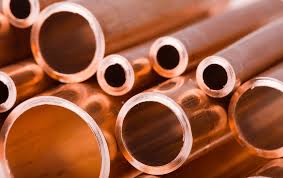
Tube vs wiring: Copper tubing (especially clean plumbing pipe) may qualify as #1 or #2 copper depending on fittings/attachments. Wiring insulated/uninsulated will depend on the insulation and copper content.
Preparing for sale
- Sort your copper: Separate bare bright, #1, #2, and insulated copper. Mixing them will likely reduce your return.
- Remove attachments: Fittings, solder, nails, steel bits — the cleaner the copper you present, the better the price.
- Strip insulation if cost-effective: If you have enough volume and tools, stripping wires improves value.
- Keep it dry and clean: Copper with rust, water damage, heavy oxidation, or contamination will be considered lower grade.
- Get it weighed: Scrap yards pay by weight, so knowing your approximate weight helps you estimate returns.
- Check local regulations: In many regions, the sale of scrap metals may have ID requirements or specific record-keeping.
- Compare scrap yards: Not all yards pay the same. Call ahead for current rates, ask about grading, and ask whether they deduct non-copper attachments.
Where to sell
Local scrapyards: These are the traditional route. Ensure they are licensed, legitimate, pay fair rates, and provide receipts if needed.
Online scrap buyers: In some areas, some platforms handle scrap metal pickups, provide quotes online. However, always check reliability and regional availability.
Contractor/rescue sources: If you know builders, electricians, or plumbers cleaning out sites, you might source copper scrap with permission.
FAQ
1. What is scrap copper?
Scrap copper is leftover or discarded copper from items like electrical wires, plumbing pipes, and motors. It’s collected and recycled for reuse in industries.
2. Why is scrap copper valuable?
Copper is valuable because it’s in high demand for construction, electronics, and renewable energy. It’s also 100% recyclable without losing quality.
3. What are the different types of scrap copper?
The main types include Bare Bright Copper, No.1 Copper, No.2 Copper, and Insulated Copper Wire. The cleaner and purer the copper, the higher its price.
4. How can I tell if I have real copper?
Real copper is non-magnetic, heavy, and has a reddish-orange color. If a magnet sticks, it’s not pure copper but may be copper-coated steel or alloy.
5. How much is scrap copper worth?
Copper prices change daily with the metal market, but generally, clean Bare Bright Copper can fetch the highest rate, often between $3.00–$4.00 per pound.
Call-to-Action
Check today’s copper scrap price per pound (or per kilogram in your region) to estimate your earnings! Use an online scrap price guide or call a local yard to get the latest rate. If you have a coil of bare bright wire or a stack of clean copper pipes, you might be surprised how much it could be worth.
Copper is more than just an old pipe or roll of wire gathering dust. It’s a valuable, sustainable, recyclable metal with strong demand — and that means real opportunity. By understanding the types of scrap copper, cleaning and sorting your material, and selling through trusted channels, you can turn old copper into cash.
Whether you’re a homeowner clearing out a renovation, a tradesperson handling leftover materials, or simply someone exploring scrap recycling, this is a chance to do something smart and profitable.
Your old copper might be the green cash you didn’t know you had!