
Are you searching for a roofing solution that’s stylish, long-lasting, and energy-efficient? Copper and metal roofing have quickly become the top choice for homeowners, architects, and builders who want more than just basic protection from the elements. These roofing materials aren’t just functional — they’re premium investments that combine beauty, durability, and sustainability.
In the past decade, the demand for copper and metal roofing has skyrocketed. Homeowners renovating historic properties, commercial developers designing modern spaces, and builders creating energy-efficient homes have all discovered the advantages of these high-performance roofing systems. Unlike traditional asphalt shingles, which may wear out in 15–20 years, copper and metal roofs are engineered to last for decades, often exceeding 50 to 100 years with proper care.
Beyond durability, these roofing solutions offer timeless aesthetic appeal. Copper develops a natural patina over time, giving each roof a unique, evolving look. Steel, aluminum, and zinc options provide modern finishes that complement contemporary and traditional designs alike.
This guide will take you through everything you need to know about copper and metal roofing — from the types available and their benefits to installation tips, maintenance strategies, and cost considerations. By the end of this article, you’ll understand why these premium roofing materials are becoming the go-to choice for homeowners, architects, and builders, and how they can transform both the look and longevity of your property.
What Is Copper and Metal Roofing?
Copper and metal roofing are roofing systems made from durable metallic materials that combine practicality, sustainability, and aesthetics. Unlike conventional roofing materials such as asphalt shingles or clay tiles, these roofs are lightweight, strong, and remarkably resistant to harsh weather conditions.
Types of Metal Roofing
Copper Roofing:
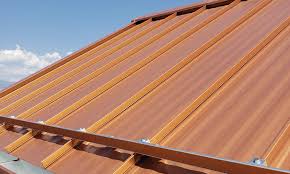
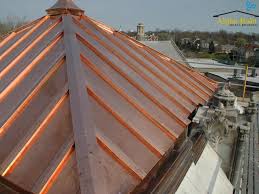
Copper is a high-end roofing material known for its luxurious appearance and long-lasting performance. Over time, copper develops a natural patina, transitioning from shiny reddish-orange to a distinguished greenish hue that protects it from corrosion.
Aluminum Roofing:
Aluminum is lightweight, corrosion-resistant, and perfect for homes in coastal or humid regions. Its malleability allows it to fit complex roof designs without sacrificing durability.
Steel Roofing:
Steel roofs are strong, versatile, and often coated with protective layers to prevent rust and extend longevity. They are suitable for both commercial and residential structures.
Zinc Roofing:
Zinc is eco-friendly, low-maintenance, and resistant to corrosion. Its natural anti-bacterial and self-healing properties make it ideal for roofs that require minimal upkeep over decades.
Key Features of Copper and Metal Roofing
- Longevity: With proper installation and maintenance, these roofs can last 50–100 years, far surpassing traditional roofing materials.
- Corrosion Resistance: Metal roofs are highly resistant to moisture, rust, and extreme weather, ensuring long-term durability.
- Lightweight: Metal roofs reduce the structural load on your building, making them safer and easier to install compared to heavy materials like clay or concrete tiles.
- Eco-Friendly: Many metal roofs are made from recycled materials and can be recycled at the end of their lifespan, minimizing environmental impact.
- Aesthetic Versatility: Metal roofs work with a wide range of architectural styles, from modern minimalist homes to classic Tudor designs.
The combination of functionality, durability, and design flexibility makes copper and metal roofing a smart choice for anyone looking to invest in a long-term, visually striking roofing solution.
Top Benefits of Copper and Metal Roofing
Copper and metal roofs are much more than functional; they enhance the value, aesthetics, and efficiency of a home or commercial building. Here are the top benefits:
1. Durability & Longevity
One of the most compelling reasons to choose copper and metal roofing is its exceptional lifespan. While asphalt shingles typically last 15–20 years, metal roofs are built to endure 50–100 years with minimal maintenance. The combination of strong metals and protective coatings ensures your roof withstands rain, wind, snow, and even hail without warping, cracking, or leaking.
2. Weather Resistance
Metal roofs are engineered to resist extreme weather conditions. Heavy rain, snowstorms, and high winds are no match for copper, steel, or aluminum roofing. Unlike traditional roofing materials that may fail under pressure, a properly installed metal roof retains its structural integrity, providing peace of mind for homeowners in any climate.
3. Energy Efficiency
Metal roofs are naturally reflective, bouncing sunlight away rather than absorbing it like asphalt shingles. This helps maintain a cooler home during the summer months, reducing reliance on air conditioning and lowering energy bills. Copper roofs with reflective coatings or anodized finishes can enhance this effect further, making your home more energy-efficient and comfortable year-round.
4. Eco-Friendly Choice
Sustainability is increasingly important in modern construction. Most metal roofing materials are recyclable, and their long lifespan reduces the need for frequent replacements. Choosing copper or metal roofing contributes to environmental conservation, helping homeowners reduce their carbon footprint while investing in a durable roof.
5. Aesthetic Appeal
Copper and metal roofs provide instant curb appeal. Copper, in particular, develops a unique patina over time, giving the roof an evolving, luxurious look. Steel and aluminum roofs can be painted or coated in a wide range of colors to match your home’s design aesthetic. This versatility allows architects and homeowners to blend beauty with functionality seamlessly.
6. Low Maintenance
Unlike wood or asphalt roofs that require frequent repairs, metal roofs are resistant to rot, pests, and cracking. Occasional inspections, cleaning, and minor repairs are usually sufficient to keep the roof in excellent condition. This low-maintenance nature makes it a hassle-free investment that saves both time and money over decades.
Installation Tips and Considerations
Installing copper and metal roofing is a task that demands precision and expertise. Proper installation ensures durability, efficiency, and aesthetics. Here’s what you should know:
Hire Professionals
Metal roofing installation involves exact measurements, cutting, and fastening. A professional contractor ensures proper alignment, sealing, and ventilation to prevent leaks or structural damage. Attempting DIY installation can compromise your roof’s integrity.
Consider Roof Slope
Metal roofs perform best on moderate to steep slopes, allowing rain and snow to slide off easily. Flat roofs may require special coatings or designs to ensure water drainage and prevent pooling.
Ventilation and Insulation
Proper airflow beneath the metal roof prevents condensation, which can lead to corrosion or insulation damage. Adequate insulation also enhances energy efficiency, keeping your home warmer in winter and cooler in summer.
Cost vs. Long-Term Savings
While the initial cost of copper and metal roofing may be higher than asphalt shingles, the long-term savings are substantial. With minimal maintenance, exceptional durability, and energy efficiency, the investment pays off over decades.
Maintenance Tips to Extend the Life of Your Metal Roof
Metal roofs are celebrated for their durability, weather resistance, and low-maintenance nature, but even the strongest roofing systems benefit from regular care. By adopting a few simple maintenance practices, you can maximize the lifespan of your copper, aluminum, steel, or zinc roof and keep it looking pristine for decades.
1. Conduct Annual Inspections
Performing a thorough inspection at least once a year is key to catching minor issues before they become costly repairs. Look for signs of dents, scratches, corrosion, loose fasteners, or any areas where panels might have shifted. Early detection helps maintain the structural integrity of your roof and ensures it continues to protect your home efficiently.
2. Keep the Roof Clean of Debris
Leaves, moss, dirt, and fallen branches can trap moisture on the roof’s surface, leading to rust or corrosion over time. Regularly removing debris from the roof and gutters prevents water buildup and keeps drainage systems functioning properly. Using a soft brush or leaf blower can help avoid scratching the metal surface.
3. Apply Protective Coatings
Many metal roofs benefit from specialty coatings that shield them from UV rays, oxidation, and environmental pollutants. Applying these coatings every few years can enhance longevity, maintain the roof’s aesthetic appeal, and prevent fading or premature weathering.
4. Trim Nearby Trees
Overhanging branches can scrape or damage the roof during storms and high winds. Keeping trees trimmed not only protects your metal roof but also reduces the amount of debris accumulating on the surface, further lowering the risk of rust or scratches.
FAQ
1. How long does a copper or metal roof last?
A properly installed copper or metal roof can last 50 to 100 years. Copper develops a natural patina that protects it from corrosion, while steel, aluminum, and zinc roofs are coated to resist rust and weathering. Minimal maintenance ensures maximum longevity.
2. Is copper roofing better than other metal roofing materials?
Copper roofing is highly durable, visually striking, and develops a unique patina over time, making it a premium choice. However, aluminum, steel, and zinc offer excellent durability and lower upfront costs. The best option depends on your budget, climate, and aesthetic preferences.
3. Are metal roofs energy-efficient?
Yes. Metal roofs reflect sunlight instead of absorbing it, which helps reduce cooling costs during hot weather. Copper and reflective-coated roofs can further enhance energy efficiency, keeping your home cooler in summer and lowering utility bills.
4. Can I install a metal roof myself?
While DIY installation is possible, professional installation is highly recommended. Metal roofs require precise cutting, fastening, and sealing to ensure durability, prevent leaks, and maintain warranty coverage. Improper installation can compromise performance and longevity.
5. How much does a copper or metal roof cost?
Copper and metal roofing costs vary depending on the material, roof size, and complexity of installation. While upfront costs are higher than asphalt shingles, long-term savings from durability, low maintenance, and energy efficiency make it a worthwhile investment.
Cost Considerations
Copper and metal roofing may have a higher upfront cost, but the long-term benefits outweigh initial investments:
- Longevity: Fewer replacements reduce future expenses.
- Energy Savings: Reflective surfaces reduce cooling costs in summer.
- Increased Property Value: Premium roofing adds curb appeal and resale value.
Investing in copper or metal roofing is not just a purchase; it’s a financially smart, sustainable, and stylish investment in your home’s future.
Copper and metal roofing represent the perfect combination of beauty, durability, and efficiency. It’s a long-term solution that enhances your property’s value while providing exceptional weather resistance and low maintenance.
Whether you’re a homeowner upgrading your roof, a builder designing a new property, or an architect aiming for elegance and sustainability, copper and metal roofing is a choice that pays off for decades. With proper installation and care, these roofs can last a lifetime, transforming your home into a secure, energy-efficient, and visually stunning space.