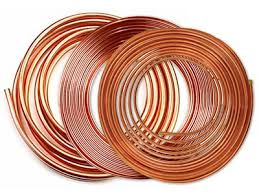
When it comes to plumbing, air-conditioning systems, and recyclable metals, few materials have proven as dependable as 1 2 copper tubing. For decades, this simple yet sophisticated material has been a foundation in both residential and industrial applications. Its durability, safety, and unmatched performance have earned it a permanent place in construction, HVAC, and recycling industries around the world.
At SASU SCRAP LOC, we’ve witnessed firsthand how copper tubing stands the test of time. Whether it’s part of a home’s water line, an industrial HVAC system, or scrap metal ready for recycling, ½″ copper tubing consistently demonstrates its lasting value. Even after years of service, copper retains its integrity, strength, and—most importantly—its recyclable potential.
That’s what makes copper so special: it’s not just a metal pipe; it’s an investment in reliability. Every installation of copper tubing represents decades of trusted use, minimal maintenance, and sustainable value.
Professionals across the board—plumbers, builders, and recyclers—continue to rely on copper because it’s more than a product; it’s a performance guarantee. Unlike synthetic materials that may degrade over time, copper resists corrosion, heat, and mechanical wear, ensuring systems run efficiently and safely year after year.
When you install copper tubing, you’re not just solving a plumbing problem—you’re making a long-term choice for quality. And when that tubing eventually reaches the end of its service life, it doesn’t go to waste. That’s where companies like SASU SCRAP LOC step in, giving copper a new life through responsible recycling and reuse.
In an era where sustainability matters more than ever, copper remains one of the few building materials that’s both high-performance and eco-friendly. Its life cycle is a perfect example of how a product can serve industry and the environment at the same time.
What is ½″ Copper Tubing?
So, what exactly is ½″ copper tubing, and why is it so widely used?
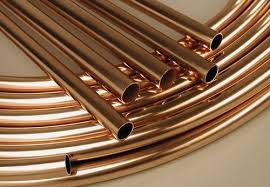
In simple terms, ½″ copper tubing refers to a copper pipe with an outer diameter of approximately half an inch. It’s a standard size that strikes a perfect balance between strength and versatility, making it one of the most commonly used materials for plumbing, HVAC, and refrigeration systems.
Copper tubing is available in several types, each designed for specific applications based on wall thickness, flexibility, and pressure tolerance. Understanding these types is essential when choosing the right tubing for a job.
Type L: The Versatile Workhorse
Type L copper tubing is the most commonly used type for general plumbing and HVAC applications. It has a medium wall thickness, providing the ideal balance between strength and flexibility. This makes it suitable for both residential and commercial water systems.
Type L tubing is often chosen for interior water lines, fire sprinkler systems, and even medical gas distribution because of its durability and corrosion resistance. It’s also easy to install and maintain, which makes it a go-to option for professionals who value both performance and practicality.
Type M: The Economical Choice
Type M copper tubing features thinner walls and is primarily used in low-pressure systems. It’s cost-effective, lightweight, and easy to work with—making it a popular choice for smaller residential projects or repairs.
While it may not withstand the same pressures as Type L or K tubing, Type M offers reliable performance for standard applications such as domestic water supply lines or small-scale heating systems. Its affordability also makes it attractive for builders and DIY homeowners looking for efficiency without sacrificing too much durability.
Type K: The Heavy-Duty Performer
On the other end of the spectrum is Type K copper tubing, the thickest and strongest variant. It’s designed for high-pressure applications such as underground service lines, industrial operations, and environments exposed to extreme temperatures or mechanical stress.
Type K tubing’s superior wall thickness allows it to endure harsh conditions, from corrosive soils to fluctuating pressures, without cracking or leaking. Though more expensive, it delivers exceptional longevity and reliability, which can save significant maintenance costs over time.
Because of its density, Type K tubing also carries a higher scrap value when recycled—something SASU SCRAP LOC customers appreciate when bringing in used or leftover materials.
The Many Uses of ½″ Copper Tubing
The adaptability of ½″ copper tubing is one of its greatest strengths. It’s not confined to a single purpose; instead, it serves across a wide range of industries and systems:
- Plumbing: Used in both residential and commercial buildings for delivering clean, safe drinking water.
- HVAC and Refrigeration: Essential in air-conditioning units and refrigeration systems due to their ability to handle pressure and temperature variations.
- Natural Gas and Fuel Lines: Reliable for transporting gas safely in controlled environments.
- Solar Water Heating: Excellent conductor of heat, ideal for renewable energy setups.
- Recycling and Scrap Collection: Once removed, copper retains high value and can be recycled indefinitely.
No matter where it’s used, copper tubing’s combination of strength, efficiency, and sustainability makes it an unbeatable choice. At SASU SCRAP LOC, we regularly receive copper tubing from all these sources — proof of how widely it’s used and how valuable it remains even after years of service.

Copper’s Endless Life Cycle: From Use to Reuse
One of the most remarkable aspects of ½″ copper tubing is its sustainability. Unlike many synthetic materials that degrade over time, copper maintains its purity and strength, even after being recycled countless times.
When a copper pipe or tubing system reaches the end of its working life—maybe during a renovation or demolition—it doesn’t need to end up in landfills. Instead, it can be collected, processed, and reintroduced into the production cycle, contributing to new copper products without losing quality.
This is where SASU SCRAP LOC plays a vital role. As specialists in copper recycling, we ensure that every piece of recovered tubing is properly cleaned, sorted, and processed for reuse. Our recycling process not only minimizes environmental impact but also helps customers recover maximum value for their scrap materials.
The beauty of copper is that it remains infinitely recyclable. Unlike plastics or composites that degrade after multiple uses, copper can be melted down and reshaped endlessly, maintaining the same level of purity and conductivity as newly mined copper.
That’s why industries continue to depend on it—not only for its performance but also for its contribution to a sustainable circular economy.
Copper: A Material That Keeps Giving
Whether it’s newly installed or freshly recycled, 1 2 copper tubing continues to deliver value. Its durability ensures fewer replacements and repairs, saving money and resources. Its safety guarantees clean water and reliable system performance. And its recyclability helps reduce the environmental footprint of construction and manufacturing industries.
In short, copper tubing isn’t just a smart choice—it’s the responsible one.
At SASU SCRAP LOC, we’re proud to help extend the life of this incredible material. From collecting scrap copper tubing to ensuring it’s properly recycled, our goal is to make the process simple, rewarding, and eco-conscious. Every length of copper tubing we handle represents a piece of sustainable progress—proof that quality materials never go out of style.
Key Benefits of Using ½″ Copper Tubing
Choosing the right material for your piping system can make a long-term difference in safety, durability, and environmental impact. Here’s why ½″ copper tubing continues to be the gold standard.
Durability
Copper is incredibly tough. It resists corrosion, extreme temperatures, and the chemical reactions that can quickly degrade plastic or composite alternatives. In both plumbing and HVAC systems, it remains stable under pressure and thermal stress.
A copper pipe doesn’t easily warp, crack, or melt — meaning fewer leaks, lower repair costs, and greater confidence for property owners. Its ability to handle high temperatures also makes it ideal for both hot water lines and refrigerant flow.
Safety
Unlike some synthetic materials, copper doesn’t release harmful chemicals or micro-particles into potable water. It’s a non-toxic, natural material that prevents bacterial growth within the pipe, ensuring clean water delivery over decades.
That’s one reason many building codes worldwide continue to recommend or even require copper for certain plumbing applications. When you use copper, you’re choosing safety and purity — essential for families, businesses, and public facilities.
Longevity
Few materials can match the lifespan of copper. Properly installed ½″ copper tubing can last 50 years or more with minimal maintenance. Even when systems eventually age out, the tubing often remains structurally sound — and ready for reuse or recycling.
Longevity is one of the key reasons professionals continue to prefer copper despite its higher upfront cost compared to materials like PVC or PEX. Over decades, its resilience pays for itself many times over.
Sustainability
At SASU SCRAP LOC, sustainability is a core value — and copper fits that mission perfectly. Copper is 100% recyclable without losing its performance or quality. Every time copper tubing is removed from an old system, it can be melted down, purified, and reused in new products indefinitely.
That closed-loop lifecycle makes copper one of the most eco-friendly materials in construction and manufacturing. Recycling copper also consumes far less energy than producing it from ore, reducing carbon emissions and protecting natural resources.
When you choose copper, you’re not just investing in strength and quality — you’re supporting a sustainable, circular economy that benefits everyone.
The SASU SCRAP LOC Perspective on Copper Tubing
From a recycler’s point of view, 1 2 copper tubing is one of the most sought-after non-ferrous materials. Its consistent purity, high metal content, and excellent recyclability make it a top-value item in the scrap industry.
At SASU SCRAP LOC, we handle thousands of kilograms of copper tubing each year — collected from HVAC replacements, plumbing upgrades, demolition sites, and industrial clear-outs. Every piece of tubing we process contributes to a cleaner environment and a stronger recycling ecosystem.
Here’s what sets copper apart from other metals we receive:
- It retains a high resale value per kilogram.
- It’s easy to sort and clean for recycling.
- It can be processed repeatedly with minimal waste.
By reintroducing recycled copper back into production, we help reduce the need for mining and preserve the planet’s finite resources — while also providing fair returns to those who sell their scrap.
Whether you’re a contractor clearing out an old project or an individual with leftover materials, 1 2 copper tubing can put real money back in your pocket when recycled responsibly.
FAQ
Q1: Can I recycle old copper tubing with solder joints or fittings attached?
Yes—but for the best value, remove unnecessary attachments like valve handles, excess fittings, and ensure the tubing is as clean and straight as possible. SASU SCRAP LOC evaluates the condition and may adjust the value accordingly.
Q2: What’s the difference in scrap value between Type K and Type M copper tubing?
Thicker-walled types (like Type K) typically weigh more per foot, so there’s more material value. Straight, long runs of heavy-wall copper tend to fetch better rates.
Q3: Is there a minimum quantity to recycle copper tubing with SASU SCRAP LOC?
Generally, we accept both small and large volumes. However, larger, consolidated shipments of clean tubing improve efficiency and value. Contact us at SASU SCRAP LOC to discuss your specific volume.
Q4: How should I store copper tubing before recycling?
Keep it in a dry, clean area. Avoid contamination (plastics, insulation, mixed metals). Our team at SASU SCRAP LOC advises minimal exposure to weather and storing straight runs rather than twisted or heavily bent runs for easier processing.
Why Recycle Copper Tubing with SASU SCRAP LOC
At SASU SCRAP LOC, we specialize in the responsible recycling of copper tubing and other non-ferrous metals. Our goal is simple: to make recycling easy, transparent, and profitable for our customers.
We handle everything from collection and sorting to weighing and payment, ensuring that each kilogram of copper tubing is processed efficiently and ethically. Clean, uncoated, and untarnished copper generally commands a higher price, but we also accept mixed or insulated materials for processing.
Our commitment to fair pricing and sustainability means you can trust us to deliver the best value — whether you’re clearing out construction waste or selling surplus metal from your workshop.
Final Thoughts: Investing in Quality That Lasts
If you’re looking for a material that combines performance, safety, longevity, and sustainability, ½″ copper tubing checks every box. It’s not just another metal — it’s a symbol of reliability that has stood strong for generations.
At SASU SCRAP LOC, we believe in the full lifecycle of copper — from installation to recovery. Every piece of tubing tells a story: it served a purpose, carried water or refrigerant, and now returns as recyclable material ready for a new beginning.
So, whether you’re installing new lines or recycling old ones, remember: copper never goes to waste. Its value lives on — in homes, in industries, and in the sustainable future we’re building together.
y.