
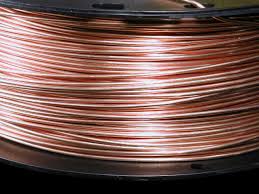
From home wiring to solar power to automotive upgrades, 10-gauge copper wire has become a go-to choice for people who want reliability, safety, and strong electrical performance. Whether someone is wiring a 30-amp circuit, connecting solar batteries, or building a custom car audio system, they often search for 10-gauge wire because it strikes the perfect balance between strength, flexibility, and conductivity.
But what exactly makes 10 AWG copper wire so popular? For many homeowners, electricians, and DIY enthusiasts, the answer is simple: it handles heavier electrical loads without overheating, lasts longer than thinner wires, and provides stable performance across a wide range of environments.
In today’s world — where we expect everything from air conditioners to solar inverters to work flawlessly — using the right wire size is more important than ever. Choosing 10-gauge copper wire means choosing safety, durability, and the peace of mind that comes with high-quality materials.
In this blog, we’ll break down what 10-gauge copper wire is, how it works, its most common uses, and why it continues to be a preferred option in homes, vehicles, and industrial systems.
What Exactly Is 10-Gauge Copper Wire? (Simple Definition)
To understand 10-gauge copper wire, you need to know a little about the American Wire Gauge (AWG) system. In AWG, smaller numbers mean thicker wires, so a 10-gauge wire is considerably thicker than a 14- or 16-gauge wire.
A 10 AWG copper wire typically carries up to 30 amps, depending on insulation type, making it suitable for higher-demand circuits. Because it’s made of copper — one of the best conductors in the world — it offers excellent current flow, low resistance, and dependable long-term performance.
People often look for what is 10-gauge copper wire or 10-gauge copper wire meaning because they want to ensure they’re using the right wire for safety and efficiency. Thicker wires like this can handle more electricity without overheating, which is essential for heavy appliances and high-load systems.
Why People Trust 10-Gauge Copper Wire (Real-World Benefits)
The biggest advantage of 10 AWG copper wire is its ability to carry more power safely. That’s why it’s so common in:
- Air conditioners & water heaters
- Dryers and kitchen appliances
- Solar charging systems
- Automotive battery wiring
- RV, boat, and off-grid setups
Its thickness makes it durable, heat-resistant, and capable of supporting demanding electrical loads. Copper also bends well without breaking, which is why professionals prefer it for long-term reliability.
Human-touch example: If you’re wiring a home workshop with power-hungry tools or building a solar backup system, using 10-gauge copper wire ensures stable electricity flow — and that stability protects your equipment, your home, and your wallet.
What Exactly Is 10-Gauge Copper Wire? (AWG Explained)
When people shop for electrical wire, one term comes up again and again: AWG, or American Wire Gauge. It’s the standard system used in the United States to measure wire thickness. The important thing to remember is this: the lower the gauge number, the thicker the wire. So, a 10-gauge wire is noticeably thicker and stronger than 12- or 14-gauge wire.
In simple terms, AWG is like a scale that helps electricians choose the right wire size based on how much electricity it needs to handle safely. Using the wrong gauge can cause overheating, voltage drop, or even electrical failure — which is why understanding 10-gauge copper wire matters.
What Does “10-Gauge” Really Mean?
A 10 AWG copper wire refers to a wire with a specific thickness and diameter. In technical terms, 10-gauge wire has:
- Diameter: approximately 2.588 mm (0.102 inches)
- Cross-sectional area: about 5.26 mm²
- Ampacity: typically 30 amps for most household and industrial applications (depending on insulation type)
This thickness allows the wire to carry more electrical current without overheating. It also provides lower resistance, meaning electricity flows more efficiently and safely.
In everyday language, 10-gauge is thick enough to handle heavy electrical loads but flexible enough to work with in most wiring projects.
Why Copper Is Preferred Over Aluminum
When comparing copper vs aluminum wire, copper has several advantages — especially in the 10-gauge size:
1. Better Conductivity
Copper conducts electricity far more efficiently than aluminum. This means a thinner copper wire can carry the same current as a much thicker aluminum wire.
2. Higher Durability
Copper is stronger and more resistant to physical damage. Aluminum can break more easily, especially when bent frequently.
3. Less Heat Build-Up
Copper wire stays cooler during operation, making it ideal for high-demand appliances like:
- Water heaters
- Air conditioners
- Electric dryers
- Solar inverters
- Power tools
4. Longer Lifespan
Copper naturally resists oxidation better than aluminum, helping the wire maintain stable performance for decades.
Because of these advantages, professionals overwhelmingly choose 10 AWG copper wire for applications that require safety, stability, and high power transfer.
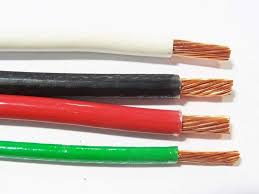
The Human Touch: Why 10-Gauge Copper Wire Is the “Perfect Middle Ground”
Think of 10-gauge as the sweet spot in wiring — the perfect middle ground. It’s:
- Thick enough to handle heavy-duty power loads
- Reliable enough for long-term electrical systems
- Flexible enough for DIY and home projects
- Safe enough for appliances that run daily
Whether you’re wiring a garage workshop, upgrading a solar power system, or installing a large appliance, 10-gauge copper wire gives you strength without stiffness and power without risk.
Key Benefits of 10-Gauge Copper Wire
When it comes to wiring heavy-demand electrical systems, 10-gauge copper wire stands out as one of the most dependable and versatile options available. Its balance of strength, conductivity, and long-term reliability makes it a favorite among electricians, homeowners, and DIY installers. Let’s break down the key benefits that make 10 AWG copper such a smart choice.
1. High Conductivity for Stable Power Flow
One of the biggest advantages of 10-gauge copper wire is its exceptional conductivity. Copper naturally carries electricity more efficiently than most metals, and the thicker 10-gauge size ensures minimal resistance and smoother power flow.
This means your appliances, tools, and electrical systems receive consistent voltage without drop-offs — a critical factor for devices that need steady power. Whether it’s a water heater, an air conditioner, or a solar inverter, 10 AWG copper ensures the electricity gets where it needs to go without struggle.
2. Durability That Withstands Heat, Vibration & Wear
Durability is another reason people trust 10-gauge copper wire. It’s built to handle:
- High heat
- Frequent bending
- Constant vibration
- Long-term use in demanding environments
Because copper is strong yet flexible, 10-gauge wire can endure everything from attic temperatures to vehicle engine compartments. Over time, it resists cracking, melting, or weakening — giving you a wiring solution that lasts for decades.
3. Higher Safety & Reduced Overheating Risk
With electrical systems, safety comes first. Using a wire that’s too thin for the current load can lead to overheating, short circuits, or even fire hazards.
That’s why 10-gauge copper wire is commonly used for 30-amp circuits. Its thickness allows it to carry more current without building excessive heat. Copper also cools more efficiently than aluminum, helping prevent dangerous hot spots.
Simply put, choosing the right gauge reduces stress on the wire — and that protects your home, your appliances, and your loved ones.
4. Versatility for Homes, Solar, Automotive & More
Another major benefit of using 10 AWG copper is its versatility. It’s strong enough for industrial use but flexible enough for home and DIY projects.
You’ll find 10-gauge copper wire in:
- Home electrical circuits
- Water heaters, air conditioners, and dryers
- Solar panel wiring and battery banks
- Automotive and RV electrical upgrades
- Marine wiring
- Power tools and workshop equipment
No matter the environment — residential, outdoor, vehicle-based, or industrial — 10-gauge copper adapts easily.
5. Long-Term Value & Reliability
While copper might cost slightly more upfront, its longevity makes it far more cost-effective over time. A high-quality 10-gauge copper wire can last 30–50 years or more, maintaining strong conductivity even in harsh environments.
Because it resists corrosion, fatigue, and voltage loss, you save money on:
Fewer replacements
Less maintenance
Better performance from appliances and systems
This long-term value is one of the biggest reasons professionals rely on copper.
Real-World Example: Why Electricians Prefer 10-Gauge for 30-Amp Circuits
Ask any licensed electrician, and they’ll tell you: 10-gauge copper is the trusted standard for 30-amp circuits.
Why? Because appliances like:
- Water heaters
- Electric dryers
- Window AC units
- Large power tools
All require a wire that can deliver steady, uninterrupted power without overheating. 10 AWG copper hits the perfect balance — strong, safe, and dependable for high-demand loads.
This reliability ensures not only better performance but also long-term protection for your entire electrical system.
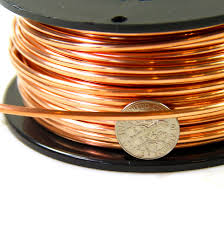
Common Uses of 10-Gauge Copper Wire
Because of its strength, safety, and excellent conductivity, 10-gauge copper wire is one of the most widely used wire sizes in homes, vehicles, solar systems, and industrial settings. Its ability to carry significant electrical loads without overheating makes it a dependable choice for both professionals and DIY enthusiasts. Below are the most common and practical uses of 10 AWG copper wire and why it continues to be a preferred option across industries.
1. Home Electrical Wiring
In residential settings, 10 AWG copper wire is commonly used for 30-amp circuits — circuits that power major household appliances. These appliances demand more energy, and using the wrong gauge can lead to overheating or electrical hazards.
Typical home uses include:
- Water heaters
- Electric dryers
- Window air conditioners
- Kitchen appliances (like ovens and microwaves)
- Garage or workshop 30-amp outlets
Because copper carries current efficiently and cools quickly, using 10-gauge wire for 30-amp circuits ensures safe and reliable performance. Homeowners and electricians alike appreciate its durability and long-term stability.
2. Solar Power Systems
With the rise of renewable energy, 10 AWG for solar has become extremely common. Solar setups require wiring that can handle fluctuating power levels, outdoor exposure, and long cable runs.
10-gauge copper wire is ideal for:
- Solar panel string wiring
- Charge controller connections
- Battery banks and inverter setups
- Off-grid cabins and RV solar systems
Its high conductivity reduces voltage drop — a critical factor in solar efficiency. And because it withstands heat and outdoor environments, it keeps systems running smoothly even in extreme conditions.
Human touch: Whether you’re powering a tiny off-grid cabin or building a full solar array, 10-gauge copper wire offers the reliability you need for energy you depend on.
3. Automotive & RV Wiring
Vehicles and RVs rely on wiring that can handle vibration, heat, and continuous movement. That’s why 10-gauge copper wire is commonly used in:
- Battery connections
- Inverter systems
- Off-road lighting setups
- Trailer wiring harnesses
- Car audio systems
Its flexibility makes it easy to route through tight spaces without breaking, and its durability ensures long-term reliability, even in harsh road or weather conditions.
4. Industrial Applications
In industrial environments, electrical components must withstand heavy usage, noise, vibration, and sometimes even chemicals.
You’ll find 10 AWG copper wire in:
- Machinery power connections
- Control panels and switchboards
- Equipment motors
- Factories and workshops
Its performance under pressure makes it the preferred choice for high-demand electrical loads and critical systems.
5. DIY Projects & Creative Electrical Builds
10-gauge copper wire is also popular among hobbyists and DIY builders who want reliable performance for custom projects. Typical uses include:
- High-power audio systems
- LED lighting installations
- Home workshop power extensions
- Backyard or garden electrical setups
Its flexibility and thickness make it a “do-it-all” wire for projects that require both strength and safety.
How to Choose the Right 10-Gauge Copper Wire (Expert Tips)
Choosing the best 10-gauge copper wire isn’t just about picking a size — it’s about matching the right type of wire to your environment, electrical load, and long-term needs. Whether you’re wiring a home circuit, upgrading a solar setup, or running power to an RV or workshop, the right 10 AWG wire can make the difference between a reliable system and a costly problem.
Below are expert tips to help you choose the right 10 AWG copper wire with confidence.
1. Solid vs. Stranded Wire — Which One Should You Use?
One of the first decisions you’ll make is choosing between solid and stranded 10-gauge copper wire.
Solid 10-Gauge Wire
- Best for permanent indoor installations
- Stiffer and holds shape well
- Ideal for outlets, wall wiring, and fixed circuits
Stranded 10-Gauge Wire
- Made of multiple fine strands for flexibility
- Perfect for automotive, solar, marine, and RV wiring
- Withstands vibration, bending, and movement
Expert Tip:
If the wire needs to bend, vibrate, or move with the system, choose stranded. For stable home circuits inside walls, choose solid.
2. Choose the Right Insulation Type (Indoor vs. Outdoor Use)
Insulation matters just as much as the copper itself. Here are the most common insulation types for 10 AWG wire:
THHN (Thermoplastic High Heat-Resistant Nylon)
- Best for indoor applications
- Popular in homes, commercial buildings, and conduit installations
THWN / THWN-2
- Water-resistant
- Safe for outdoor, wet, or underground conduit
- Great for solar panel wiring
UF-B (Underground Feeder)
- Designed to be direct-buried underground
- Ideal for outdoor sheds, garages, or garden power lines
PV Wire / Solar Wire
- UV-resistant, weatherproof
- Engineered specifically for solar power systems
Human touch:
Choosing the right insulation is like choosing the right gear for the weather — it protects your system from damage you may never see until it’s too late.
3. Know the Amp Rating & Follow Safety Guidelines
The standard amp rating for 10 AWG copper wire is typically 30 amps, but this can vary depending on insulation and temperature rating.
Always check:
- The breaker size
- The wire insulation’s temperature rating
- Local electrical codes
Never pair 10-gauge wire with a breaker larger than recommended — it creates an overheating hazard.
4. Consider Distance & Voltage Drop
Long wire runs can cause a voltage drop, reducing power efficiency. This is especially important for:
- Solar systems
- Outdoor buildings
- RV and marine wiring
- Large workshop circuits
As a rule of thumb:
- For long distances over 50–100 feet, consider upgrading to a thicker wire (8-gauge) to maintain stable power.
A little planning ensures your wire delivers reliable power for years — not just months.
Final Thoughts & Call to Action
From home electrical systems to solar power setups, RV upgrades, industrial machinery, and high-demand appliances, 10-gauge copper wire has earned its reputation for strength, reliability, and long-lasting performance. Its excellent conductivity, durability under stress, and ability to handle heavy loads make it one of the most trusted wire sizes across industries.
No matter what project you’re working on, choosing high-quality 10 AWG copper wire ensures safety, efficiency, and peace of mind for years to come. Good wiring isn’t just a detail — it’s the foundation of a strong electrical system.
Looking for high-grade 10-gauge copper wire? Choose trusted suppliers to get safe, reliable wiring for any project — whether it’s a home upgrade, solar build, or automotive installation.